
Evidence Based Foundations for a Holistic Childhood

Why Play Matters in Early Childhood?
We live in a world that increasingly pushes children (and parents) toward earlier academics, more structured activities, and more screen-based learning. Some parents feel hesitant around these trends but also do not want their child to be left behind.
We are left wondering:
If we slow down and allow our children to simply enjoy these early years, will they still learn all that they need to know?
The research on early childhood development suggests that the answer is yes. The foundations children truly need in these early years are built through play, movement, healthy relationships, sensory experiences, and meaningful connection with the world around them.
.



How Young Children Learn
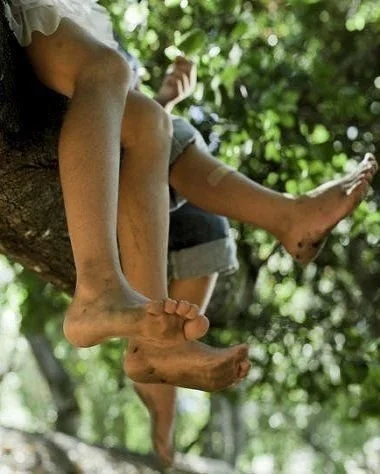
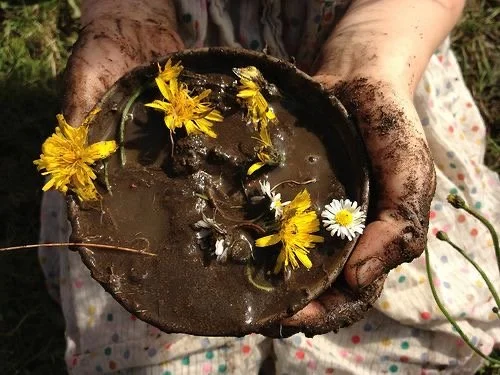
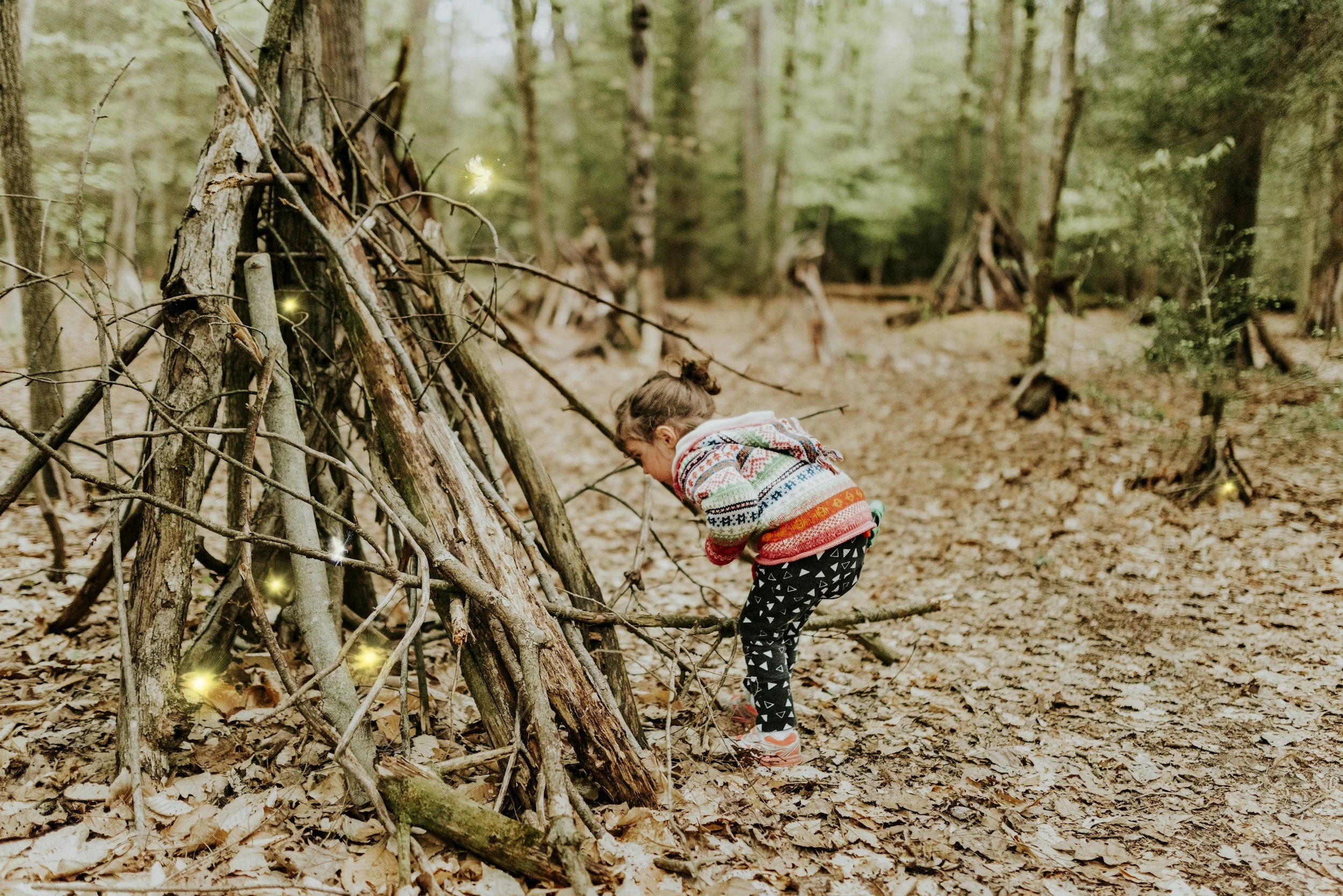
During the first seven years of life, a young child’s understanding of the world is built through direct experience — through movement, touch, imagination, exploration, imitation, storytelling, rhythm, nature, and relationships. In these early years, the brain is rapidly developing and organizing itself in response to sensory experiences. Time spent climbing, building, digging, running, pretending, creating, observing, and freely exploring helps strengthen neural pathways and supports healthy emotional, social, physical, and cognitive development. Research in child development continues to emphasize the importance of free play, movement, outdoor time, and responsive relationships during early childhood. These experiences are crucial in helping children to build the foundational skills that later support academic learning, emotional regulation, creativity, confidence, problem solving, and resilience.
The Long Term Value of Play-Based Learning
Many modern educational models are introducing formal academics at increasingly younger ages. Yet studies comparing play-based early childhood programs with academically directed programs have found that children who experience more child-led, play-centered learning perform as well as — and in some cases better than — their peers later on in life.
Researchers have observed that while early academic instruction may sometimes produce short-term gains, those advantages level out over time. Meanwhile, children who experienced rich opportunities for play, movement, and exploration frequently demonstrate stronger long-term outcomes in many areas like creativity, motivation, social-emotional health, and engagement with learning.
Some studies have also suggested that delaying formal academic instruction until children are developmentally ready supports healthier long-term educational outcomes.

Whole-Child Development
At Wildhood, we believe childhood is something sacred.
The early years are not meant to be riddled with anxiety, dominated by worksheets, overstimulation, or constant pressure to performance. Young children thrive when they are given spacious opportunities to move their bodies, engage their senses, connect with caring adults, spend meaningful time outdoors, and learn through lived experience.
We believe embodied learning happens when children are emotionally safe, connected, curious, and free to actively participate in the world around them.
This philosophy is inspired by and aligned with many relationship-centered and play-based approaches to early childhood education, including nature-based learning, Waldorf education, and Reggio Emilia-inspired practices.

What the Research Continues to Show
Research in early childhood development consistently points toward the importance of:
ample free play and imaginative play
movement and outdoor experiences
strong caregiver attachment and responsive relationships
child-led exploration and curiosity
reduced screen exposure in the early years
opportunities for unstructured social interaction
At Wildhood School, these values are not viewed as “extras.” We see them as essential foundations for healthy development and lifelong learning.
We see them as aspects to be woven into our every day life.